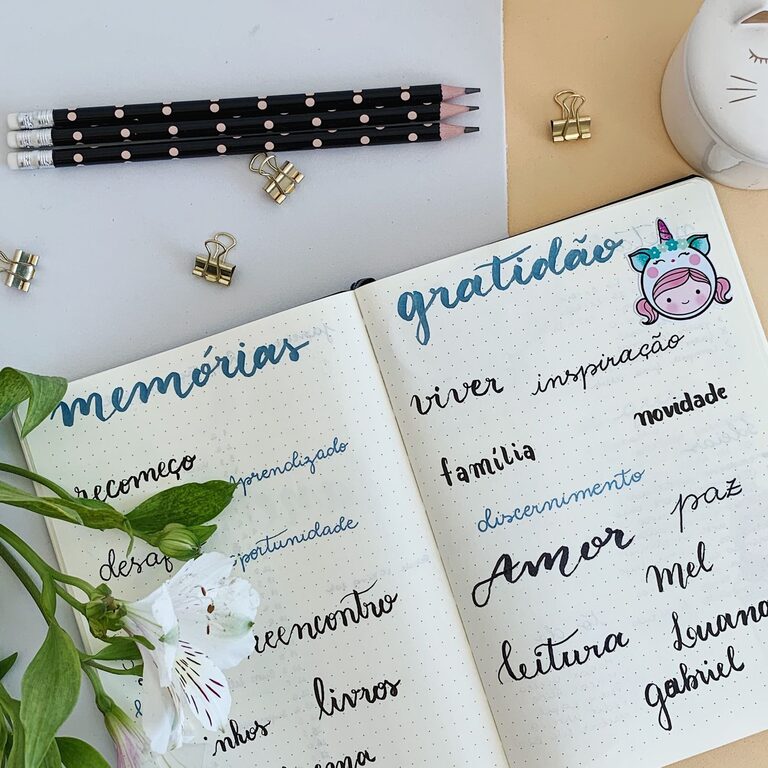

Journaling is a powerful tool for gaining clarity and improving focus. By putting your thoughts on paper, you can organize your mind, reduce stress, and make better decisions. Whether you are new to journaling or looking to deepen your practice, this guide will walk you through effective methods to use journaling for mental clarity and enhanced focus.
Why Journal for Clarity and Focus?
Your brain processes countless thoughts daily. Sometimes these thoughts create clutter, making it hard to prioritize or concentrate. Journaling helps by:
– Externalizing your thoughts: Writing things down gets them out of your head.
– Identifying priorities: You can clearly see what matters most.
– Revealing patterns: Over time, journaling uncovers habits and mindsets.
– Encouraging mindfulness: It promotes being present and aware of your mental state.
By making journaling a habit, you create space to think clearly and focus on what’s essential.
Getting Started: What You Need
You don’t need fancy tools to begin journaling—just a notebook and a pen or a digital device. Consider:
– Choosing a dedicated journal or app.
– Setting aside 5-15 minutes daily.
– Finding a quiet, comfortable spot.
The key is consistency, not perfection. Start simple and adjust as you go.
Journaling Techniques to Enhance Clarity and Focus
1. Morning Pages
Popularized by Julia Cameron’s book The Artist’s Way, morning pages are three pages of free writing done first thing in the morning. This practice:
– Clears mental clutter.
– Frees your mind from distractions.
– Sparks creativity and intention for the day.
Simply write whatever comes to mind, without judgment or editing.
2. The Brain Dump
When your thoughts feel overwhelming, a brain dump helps by transferring everything to paper in one sitting. To do this:
– Set a timer for 10-15 minutes.
– Write down every thought, worry, task, or idea.
– Don’t organize or filter; just get it out.
Afterward, review your notes and highlight actionable items or important thoughts.
3. Goal-Focused Journaling
Writing about your goals helps clarify what you want and how to achieve it:
– Begin by listing your top 3-5 goals.
– Break each goal into smaller steps.
– Reflect on progress and obstacles regularly.
This keeps your focus on what truly matters and motivates you forward.
4. Reflective Journaling
At the end of the day or week, take time to review:
– What went well.
– What challenges you faced.
– What you learned about yourself.
Reflective journaling builds self-awareness and helps you adjust your focus as needed.
5. Prompted Journaling
Using prompts can guide your journaling and inspire deeper insights. Some prompts for clarity and focus include:
– “What is taking up my mental energy right now?”
– “What is one thing I can do today to move closer to my goal?”
– “What distractions do I want to minimize?”
Responding to prompts prevents writer’s block and encourages purposeful writing.
Tips for Maintaining a Journaling Habit
– Set a regular time: Link journaling to an existing routine, like morning coffee or bedtime.
– Keep it manageable: Aim for 5-15 minutes to avoid feeling overwhelmed.
– Be honest and kind: Your journal is a judgment-free zone.
– Use it as a tool, not a chore: Write with the intention to help yourself, not to create pressure.
– Review regularly: Reading past entries can provide motivation and clarity.
Overcoming Common Challenges
Writer’s Block
If you’re stuck, use simple starters like “Today I feel…”, or “I am grateful for…”.
Inconsistency
Create reminders on your phone or place your journal somewhere visible.
Privacy Concerns
If you worry about others reading your journal, consider password-protected apps or coded language.
Final Thoughts
Journaling for clarity and focus is a flexible, personal practice. Experiment with different techniques and find what resonates with you. Over time, consistent journaling can help you think more clearly, focus better, and make steady progress toward your goals.
Start today by grabbing a notebook and writing your first brain dump—you might be surprised how freeing it feels to clear your mind on paper. Happy journaling!