
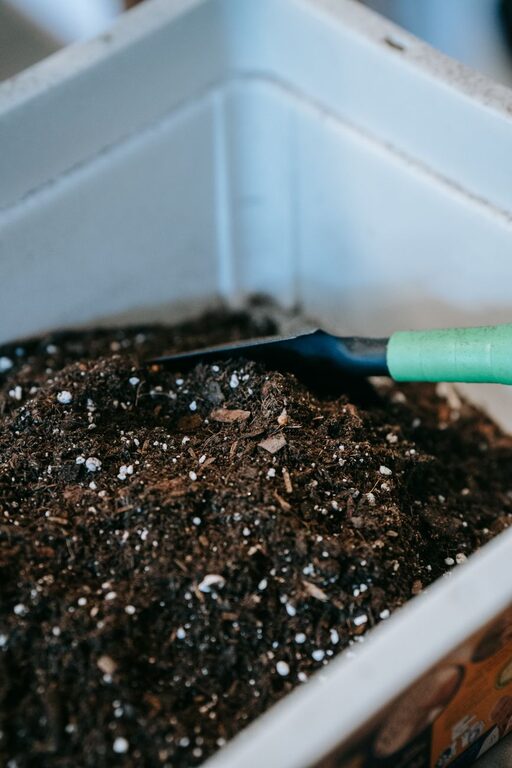
Composting at home is a fantastic way to reduce kitchen and yard waste while creating nutrient-rich soil for your plants. If you’re new to composting, it might seem a bit confusing at first, but with a little guidance, it’s easy to get started and maintain. This guide will walk you through beginner tips to help you turn your organic waste into valuable compost, perfect for your garden or houseplants.
What is Composting?
Composting is the natural process of recycling organic matter, such as food scraps and yard waste, into a rich soil amendment called compost. This compost helps improve soil health by adding nutrients and enhancing moisture retention.
Benefits of Composting at Home
– Reduces waste sent to landfills
– Enriches garden soil naturally
– Saves money on fertilizers
– Promotes healthy plant growth
– Helps reduce greenhouse gas emissions
Getting Started: Basic Composting Tips
1. Choose the Right Compost Bin or Pile
You can compost using a simple pile in your backyard or use a container specifically designed for composting. Common options include:
– Open compost piles
– Tumbler compost bins (easy to turn)
– Stationary bins with ventilation
Pick a location that is convenient, has good drainage, and isn’t too far from your kitchen.
2. Understand What to Compost
Composting requires a balance of “green” and “brown” materials. Greens are nitrogen-rich, while browns provide carbon.
Green materials:
– Fruit and vegetable scraps
– Coffee grounds
– Grass clippings
– Fresh plant trimmings
Brown materials:
– Dry leaves
– Straw or hay
– Shredded paper or cardboard
– Wood chips or sawdust (untreated)
Avoid composting meat, dairy, oils, pet waste, or diseased plants as these can attract pests or cause odors.
3. Maintain the Right Balance
Aim for roughly equal amounts of green and brown materials. Too many greens can make the pile smell, and too many browns will slow down decomposition. A good rule of thumb is 2-3 parts browns to 1 part greens.
4. Chop or Shred Materials
Breaking down larger scraps into smaller pieces speeds up the composting process. Use scissors or a garden shredder to chop leaves, cardboard, and kitchen scraps before adding them to your compost.
5. Turn Your Compost Regularly
Aeration allows oxygen to get inside the pile, which helps microbes break down the materials faster and prevents bad smells. Use a garden fork or compost turning tool every 1-2 weeks to mix your compost.
6. Keep It Moist but Not Too Wet
Your compost pile should feel like a damp sponge—not dripping wet or bone dry. If it’s too dry, add water or green materials. If it’s too wet, add more brown materials and turn it to add air.
7. Be Patient
Composting can take anywhere from 2 months to a year depending on conditions like temperature, materials, and how often you turn it. Finished compost is dark, crumbly, and smells earthy.
Troubleshooting Common Composting Problems
– Smelly compost: Too many green materials or lack of oxygen. Turn the pile and add more browns.
– Pile too dry: Add water or fresh green scraps.
– Pile too wet or soggy: Add dry brown materials and turn.
– Compost not heating up: Add more greens and turn the pile to increase oxygen.
Using Your Finished Compost
Once your compost is ready, you can use it in several ways:
– Mix it into garden soil to improve texture and fertility.
– Use it as mulch around plants to retain moisture.
– Add it to potting mixes for houseplants.
– Top-dress lawns to add nutrients.
Additional Tips for Successful Home Composting
– Avoid adding weeds with seeds to prevent spreading them in your garden.
– Use a kitchen compost bin with a lid or charcoal filter to reduce odors indoors.
– Start with small amounts and increase as you get comfortable.
– Consider vermicomposting (using worms) if you want a compact indoor method.
Final Thoughts
Composting is an accessible and rewarding way to care for the environment right from your home. By following these beginner tips, you can start turning your everyday organic waste into valuable compost that nourishes your plants and reduces your environmental impact. Give it a try—you’ll be surprised how simple and satisfying composting can be!